

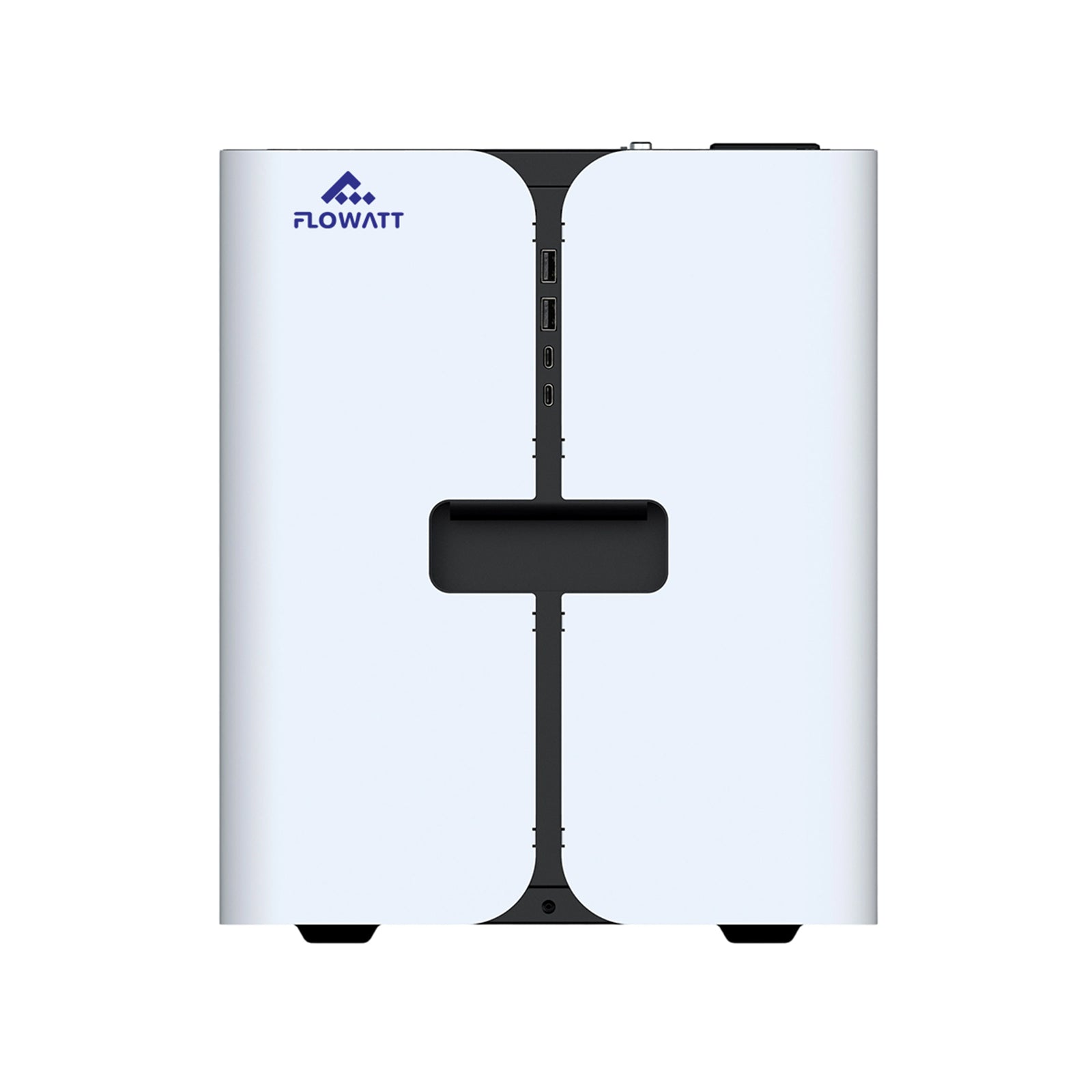
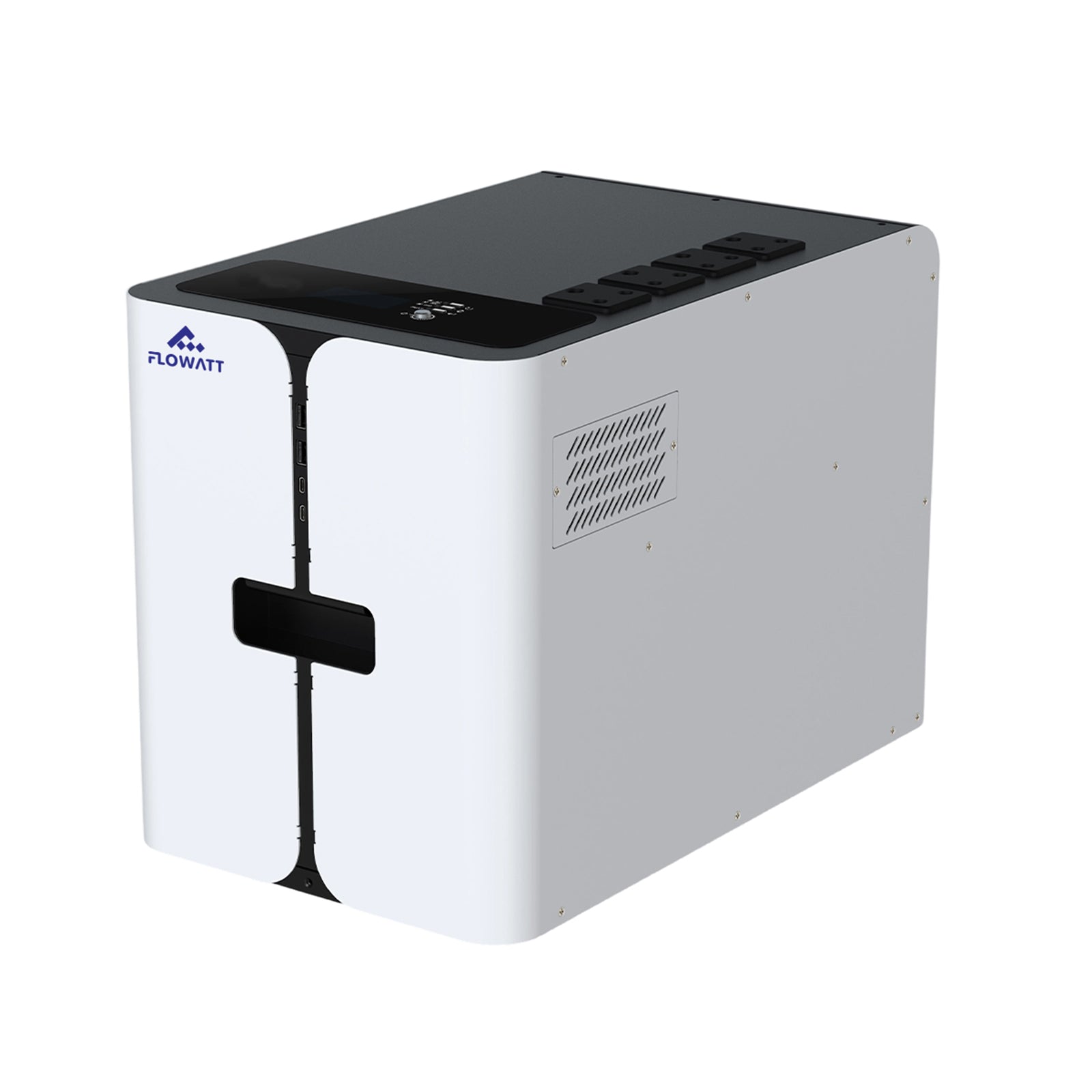
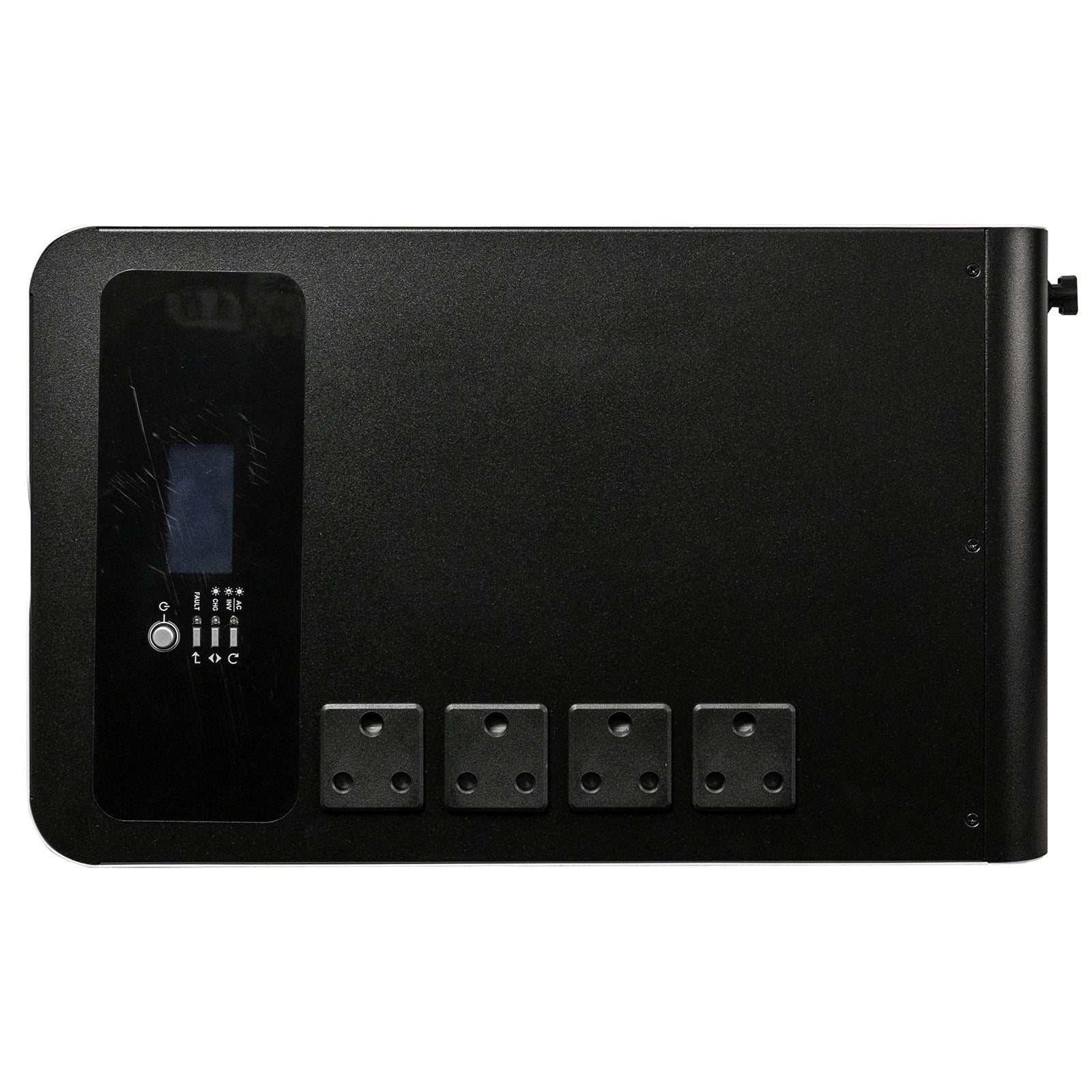
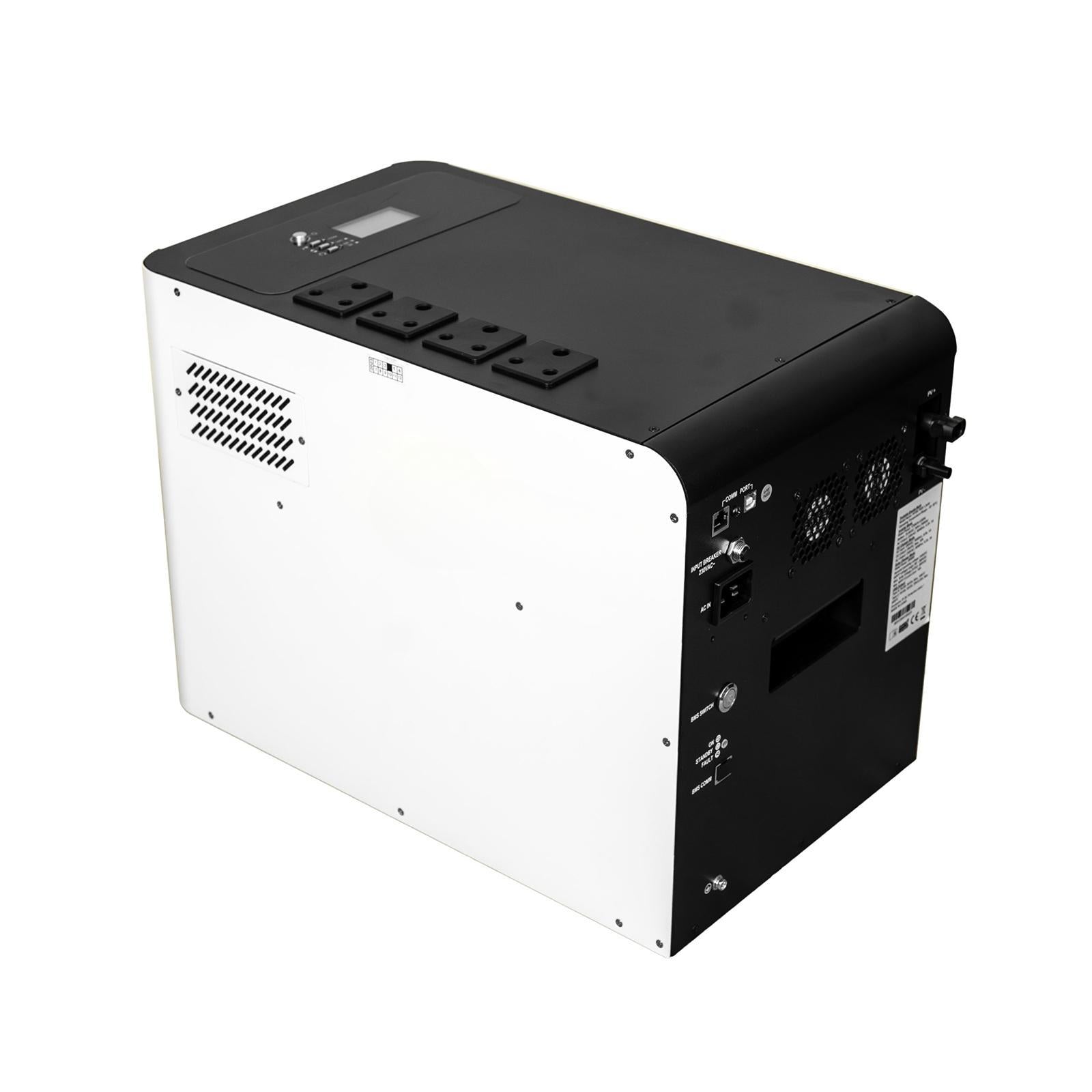
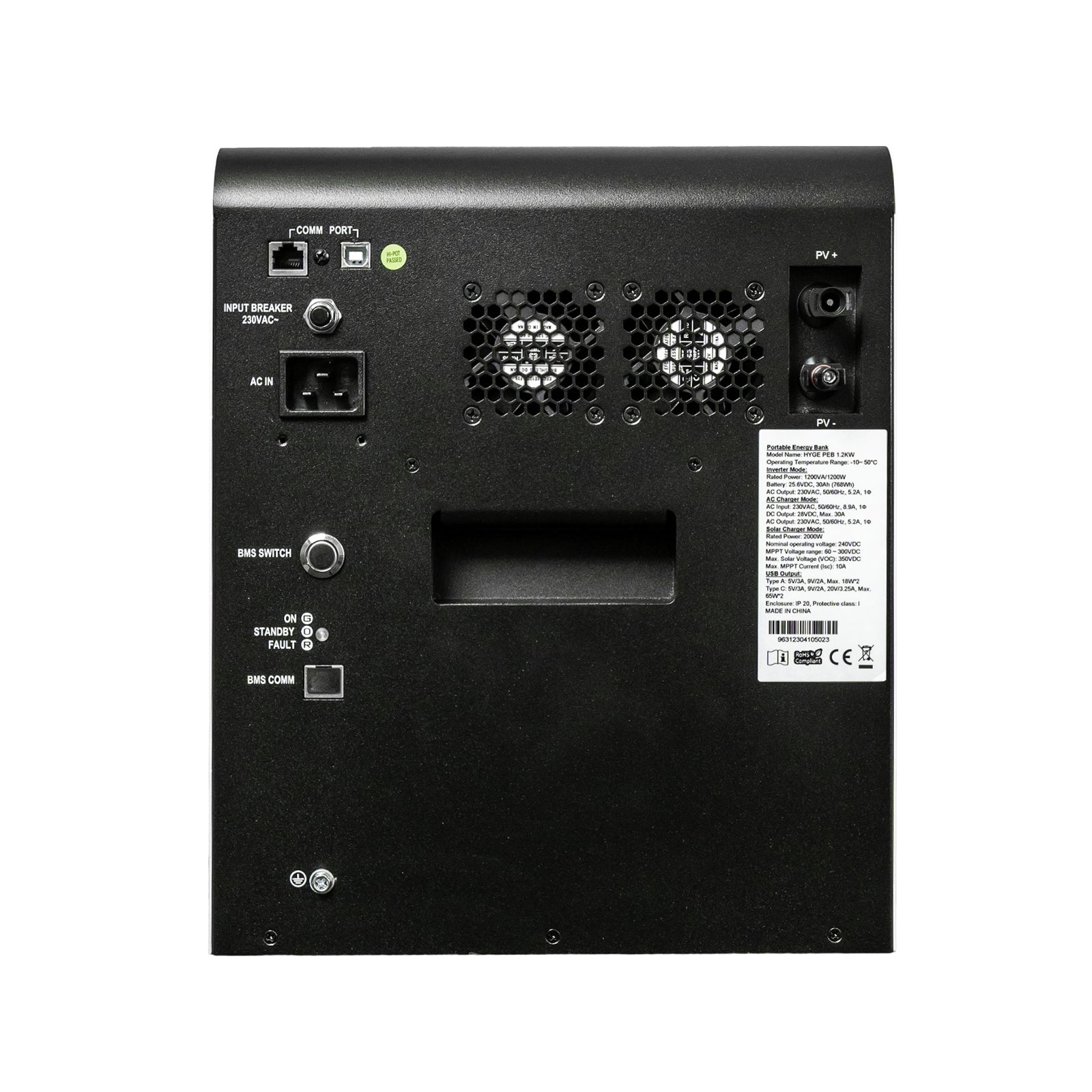


220V 1.2KW 0.768kWh Portable Power Station
1. All-in-one power station with inverter and battery built in.
2. Dual Charging Options, echarge via AC outlet or 2000W solar input.
3. Pure Sine Wave Output, safe for sensitive electronics and home devices.
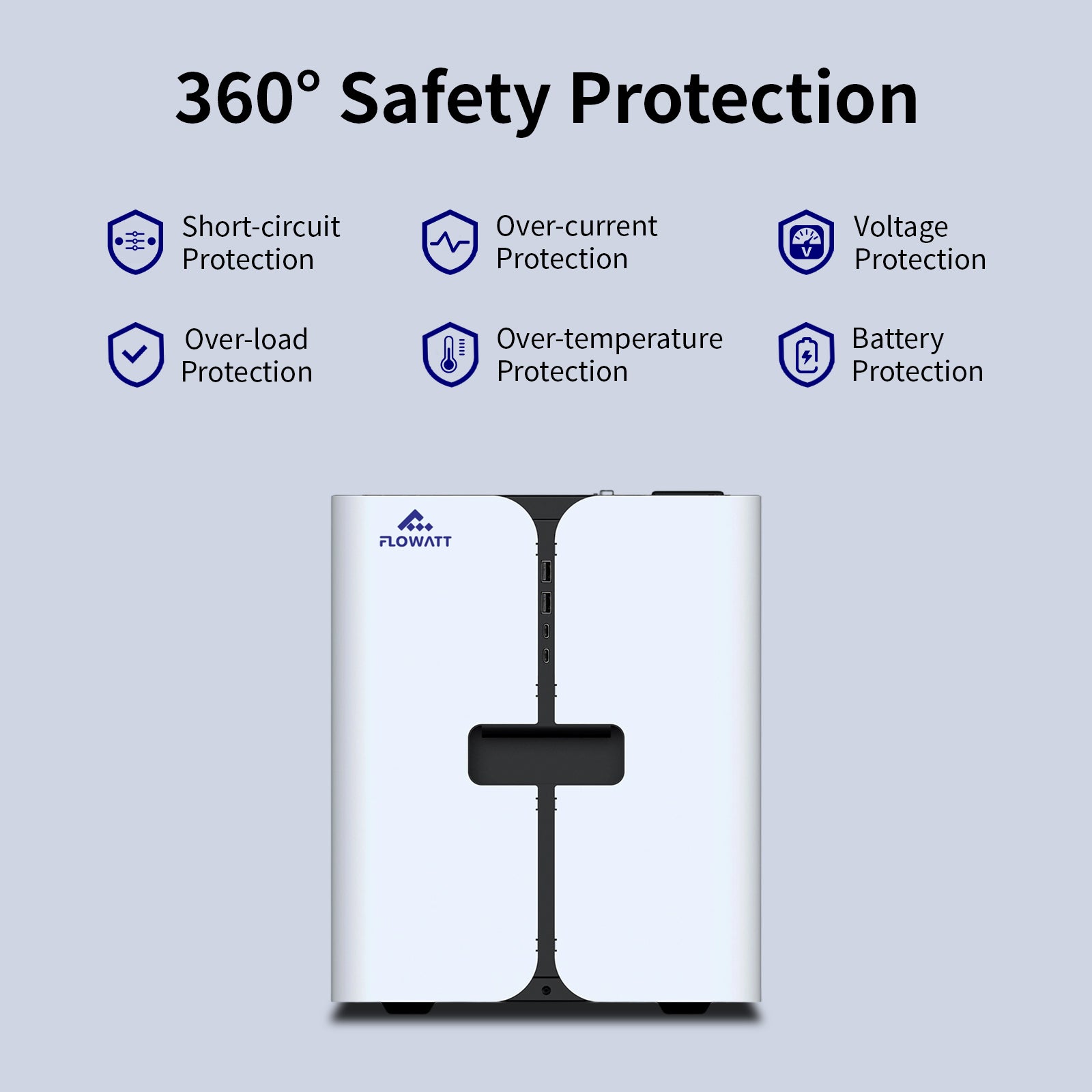
4. Smart Protection System, overload, over-temperature, short-circuit protection.
5. Long-Life LiFePO₄ Battery, 0.768Wh capacity, >2500 cycles for reliable power.
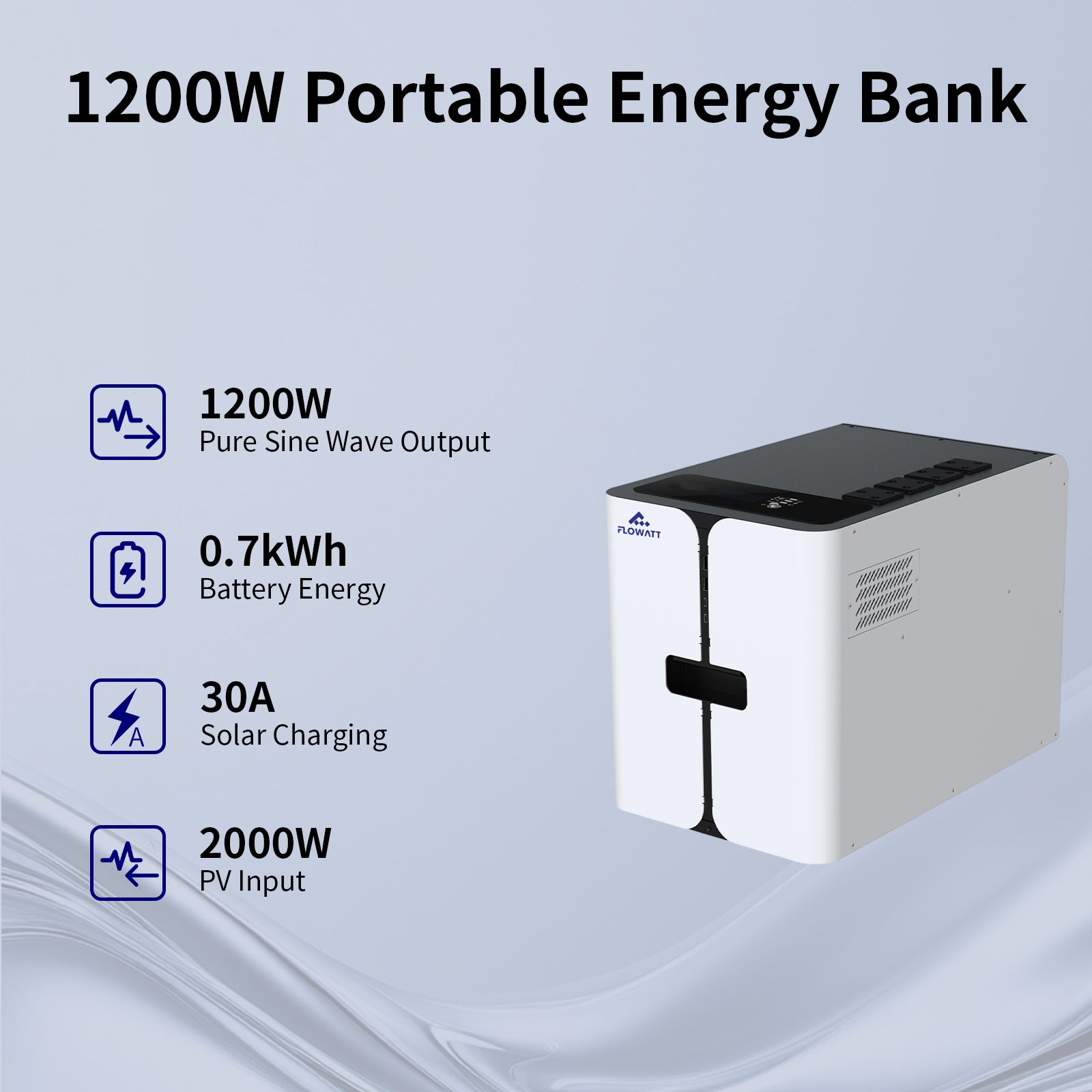
1200W Portable Power: 0.7kWh Capacity, Pure Sine Wave, Solar Charging
Dual-Input Fast Charge & Smart Energy Management
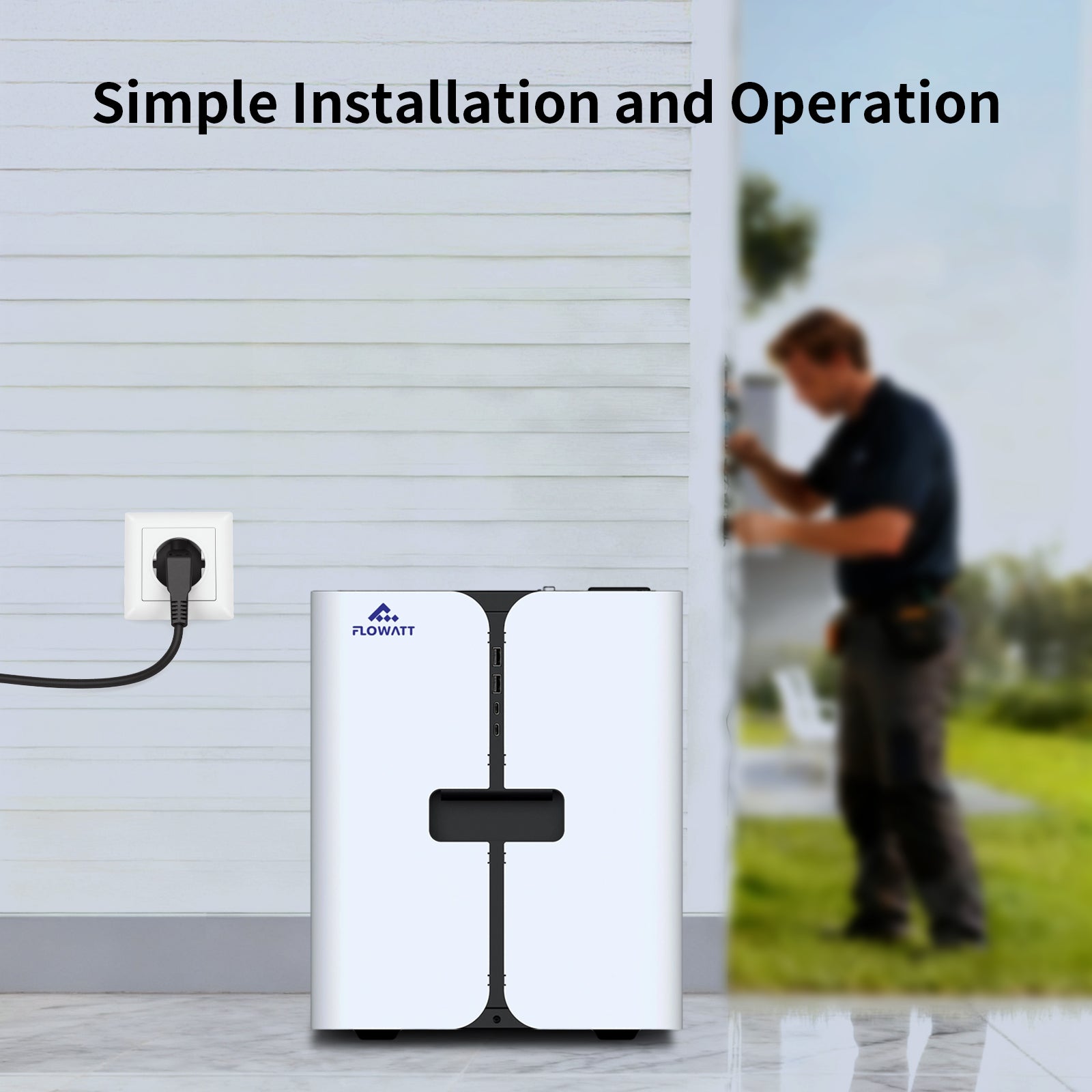
Easy Setup: 3-Step Quick Guide for Portable Power Station

All-in-One Power Companion: Portable Energy for Home & Outdoor Use
FAQs
-
Most residential and portable systems use lithium‑ion batteries, known for high efficiency and long service life. Other battery types, like lead‑acid or flow batteries, exist but are less common in home or portable setups.
-
Modern energy storage systems include multiple protections such as over‑current, over‑voltage, short‑circuit, and temperature control, making them safe for home and outdoor use.
-
Consider your average energy usage, backup power needs, and whether you want storage for daily solar self‑consumption or emergency backup. Larger capacity systems support more devices and longer runtime. -
Battery life is measured in charge‑discharge cycles. Lithium‑ion portable power stations typically last thousands of cycles, providing reliable energy storage for many years before capacity declines significantly.